
iPhone vs Android Updates: The Honest Comparison
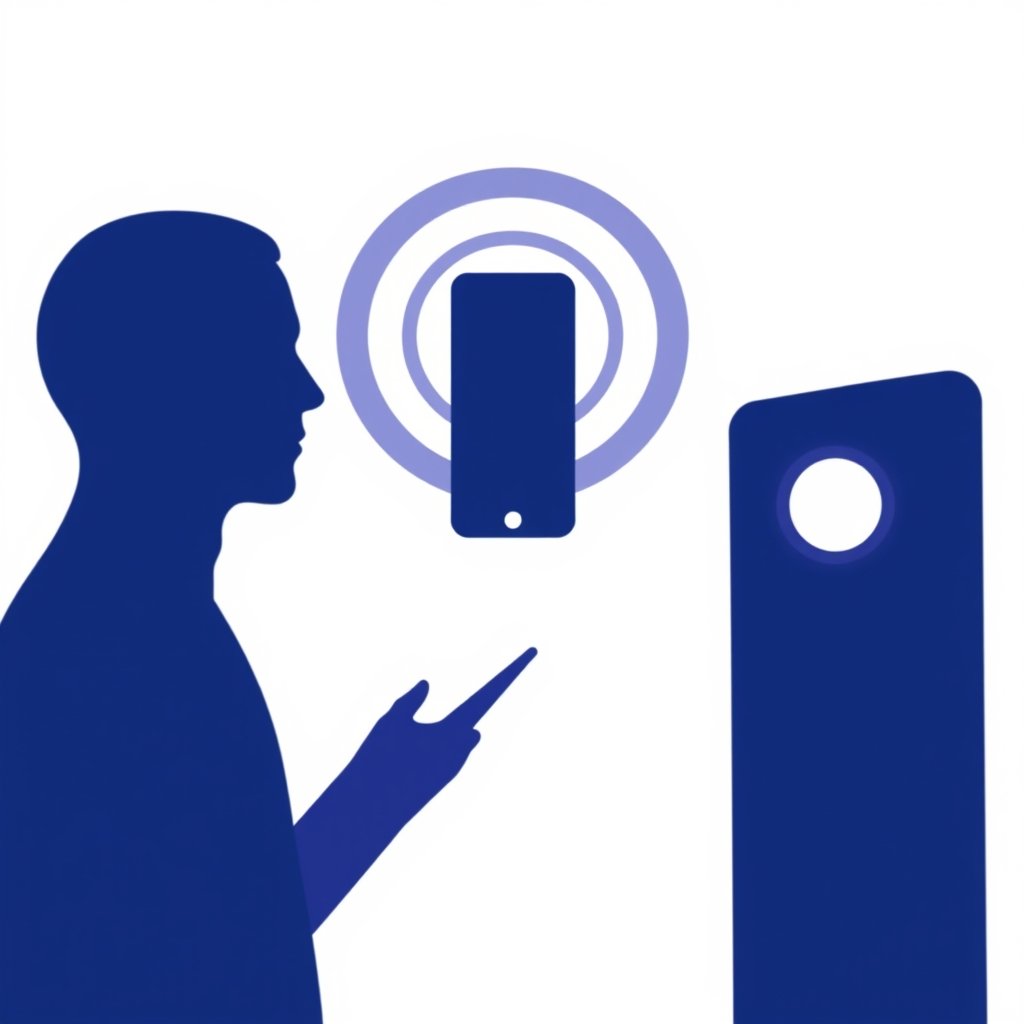
You just bought a shiny new phone. Six months in, a security patch drops. Your friend's phone gets it the same week. Yours? Three months later, if you're lucky. That gap — invisible on spec sheets — is the whole story of iPhone vs Android updates, and it decides whether your phone feels fresh in year three or turns into a slow, nervous device.
The Support Gap: How iPhone vs Android Updates Compare
Here's where the two camps diverge hardest. Apple ships iOS updates to devices going back roughly five to seven years. The iPhone 6s launched in 2015 and kept receiving updates through iOS 15 in 2021 — six years of support, still usable at the end. Current flagships are on track for similar longevity, and Apple has shown no sign of cutting that off.
Android is a different animal entirely, and that's not a dig — it's just the reality of an open ecosystem with dozens of manufacturers. Samsung now promises four major OS updates plus five years of security patches on its Galaxy S flagships, which genuinely closes much of the gap. Google's Pixel line went even further: since the Pixel 6, Pixels get seven years of OS and security updates — longer than Apple in raw number.
But step outside those two brands and the floor drops out. Many mid-range and budget Androids from OnePlus, Xiaomi, Motorola, and others get two, maybe three OS updates if you're lucky. Some carriers delay updates by months. That fragmentation is the core problem Android has never solved.
So the honest summary: iPhone wins on consistency. A recent Samsung or Google flagship puts you in fine shape. A cheaper Android means assuming two years and planning accordingly.
iOS vs Android Security Updates: Who Patches Faster?
Security patches matter more than OS upgrades, and this is where experts focus first. A major OS version brings new features. A security patch closes holes that let malware take over your phone. Apple pushes these to near-100% adoption within weeks because it controls both the hardware and the software.
Android's patch situation depends entirely on who makes your phone and what carrier you bought it from. Google's Pixels get monthly security patches reliably. Samsung does too, on a published schedule. But a Motorola bought through Verizon might wait months — and by then the vulnerability is already circulating in the wild.
Experts check the security commitment before they check the camera. You should too.
What the Real Experts Do Differently
If you talk to people who review phones for a living, they don't lead with megapixels. They lead with the update promise.
They check the written commitment, not the marketing slogan. Samsung's "four OS updates" promise is real and enforceable — it's been stated policy since 2021. Google's seven-year commitment for Pixels is equally firm. Vague language like "up to" or "typically" usually means there's no guarantee at all.
They factor in the carrier. An unlocked phone almost always updates faster than one bought on contract, because carriers must test and approve every update first. Buy unlocked if timely updates matter to you.
They think in years, not cycles. A phone that gets three years of updates will feel old by year four even if it still works. Experts mentally write off their device at the end of its support window.
They never assume "Android" means one thing. The word covers everything from a $1,200 Galaxy S to a $200 entry-level device, and the update policy is different on each. Generalizing about Android gets you burned.
Key Takeaways
- iPhone offers the most consistent update support, typically five to seven years across the board.
- Samsung and Google flagships now match or beat Apple on paper with four to seven year commitments.
- Budget and mid-range Androids often get far less — two to three years is common.
- Security patches matter more than OS upgrades; check the manufacturer's monthly patch track record.
- Buy unlocked if timely updates matter to you — carriers slow everything down.
- Before buying, look up the specific model's update promise, not the brand's general reputation.
Frequently Asked Questions
How long does Android get updates compared to iPhone? It depends on the brand. iPhone gets five to seven years of iOS updates consistently. High-end Androids from Samsung (four OS updates plus five years security) and Google (seven years on recent Pixels) are comparable or longer. Most other Androids get two to three years. The gap has narrowed at the top but stays wide at the budget end.
Is iPhone worth it for updates alone? If you keep phones for four years or longer, yes — the consistency is real and it's a quiet advantage that only shows up in year three. If you upgrade every two years, it matters less, and a cheaper Android might serve you fine.
What's the fastest way to check a phone's update policy? Look up the specific model on the manufacturer's support page, not a forum rumor. Find the security patch history — Google and Samsung publish these. A clean monthly patch record tells you they're serious.
How did this story feel?
Be the first to react
Written by
TechPulse Team
The TechPulse editorial team publishes clear, practical technology guides. Every article is original and written to be understood — not just skimmed.
Comments (0)
No comments yet — start the conversation!
Keep reading
Fast Charging Battery Wear in 2026: What Changed This Year
The old rules about fast charging killing your battery are mostly dead. Here's what changed in 2026 — and what still actually matters.
Repairability Score: What It Is and Why It Matters
Your phone breaks and the repair quote shocks you. A repairability score could have warned you. Learn what these ratings mean before you buy.
How to Sell Your Old Phone the Safe Way
So you just upgraded, and now there's a dusty iPhone or an aging Galaxy sitting in your junk drawer like a guilty secret. Here's the thing — that phone is…