
No Charger in the Box: Why Phones Stopped Shipping It
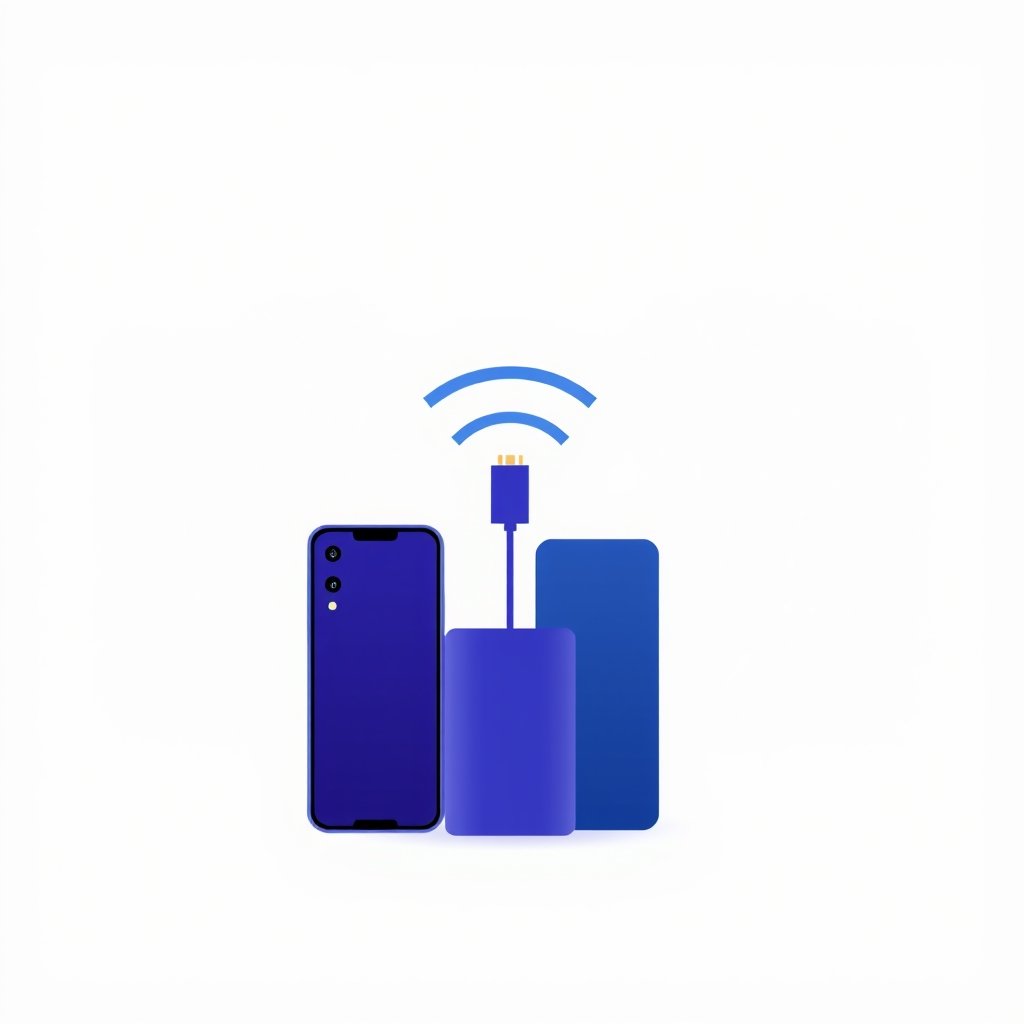
You tear the plastic off a new phone, lift the lid, and there it is: the phone, a USB-C cable, a SIM tool, and a folded sticker nobody asked for. No no charger in the box. Nothing to plug into the wall.
If your first smartphone came with a brick, a cable, a headset and probably a screen protector, this still stings a little. So let's walk through what actually happened — the timeline, the environmental math, the part nobody says out loud, and what you should buy now so you aren't caught short.
How We Got Here (and Samsung's Uncomfortable Year)
Apple did it first, in October 2020, with the iPhone 12. The charger and the wired EarPods came out of the box. The reason given was environmental: smaller box, more units per shipping pallet, less plastic, less carbon.
Samsung ran ads mocking Apple for it. Then the Galaxy S21 launched in January 2021 without a charger in the box. That little flip-flop tells you most of what you need to know about the motivations here.
Not everyone copied blindly. Xiaomi shipped the Mi 11 in China with two options at the same price: one box with a charger, one without. Buyers chose. That's the version of this policy I'd have liked to see become standard.
Then Brussels weighed in. Under the EU's common charger rules, which kicked in at the end of December 2024, phones sold in Europe had to use USB-C — and if a manufacturer doesn't include a charger, it has to make buying one separately easy and clearly explained. Apple had already moved the iPhone 15 to USB-C in 2023, which made the cable in the box useful for more than one device.
The Environmental Case, Fact-Checked
Is the green argument total nonsense? No. It's just incomplete.
Apple's claim was that removing the adapter and EarPods would avoid over 2 million metric tons of carbon emissions a year, largely through smaller packaging and dramatically more boxes fitting on a pallet per shipment. Those are real logistics savings. Chargers are also one of the most duplicated objects in electronics — plenty of households have a drawer full of old ones.
But here's the wrinkle: most of those old chargers are 5W USB-A bricks. They will technically charge a new phone. They'll do it badly, slowly, and in some cases through a cable that doesn't even fit. So the "you already own one" premise only holds if you own a modern USB-C Power Delivery brick — which, in 2020, most people didn't.
The Real Reasons There's No Charger in the Box
Be honest about the economics. A charger costs the manufacturer a few dollars at scale. Multiply that by tens of millions of units and you get a very large number. Shrinking the box saves on cardboard, on pallet space, on air freight. And — this is the part companies don't put in the press release — a customer who needs a charger is a customer who might buy one from the same brand at a healthy accessory margin.
Apple's 20W USB-C adapter sells for $19. Samsung's 25W brick lands in a similar range. That's not a conspiracy; it's just business dressed in a recycled cardboard box.
My read: the environmental reasoning was sincere enough, and the margin math was the reason it spread so fast. Both things can be true.
Do Phones Still Come With Chargers?
Short answer: usually no, and it depends where you buy.
- Flagships from Apple, Samsung and Google — cable only, sometimes not even that on certain models.
- Budget and mid-range phones — often still include a brick, especially in markets where buyers are more price-sensitive and more likely to be upgrading from an old Micro-USB device.
- Chinese fast-charge flagships (Xiaomi, Realme, OnePlus, Oppo, vivo) — many ship with a charger in the box in Asia, because their fast charging runs on proprietary voltage and current tricks that a generic brick can't reproduce.
That last point matters more than it gets credit for. A 100W SuperVOOC phone needs the matching adapter to hit its rated speed. Drop it on a generic 65W PD charger and it falls back to something ordinary. So for those phones, the included brick isn't a freebie — it's the product.
What to Buy Instead
One good GaN USB-C charger covers most people. Here's the rough logic:
| Your phone | What to get | Why |
|---|---|---|
| iPhone 15 or later | Any reputable 30W USB-C PD charger | iPhone charging tops out well below that; 20W is the floor, 30W gives headroom |
| Android flagship (Pixel, Galaxy S) | 45W USB-C PD charger with PPS support | PPS is what most Android fast charging actually negotiates |
| Chinese fast-charge phone | The brand's own adapter | Proprietary protocols; third-party bricks won't hit rated speeds |
| Laptop + phone travel | 65W–100W GaN multi-port | One brick, two cables, done |
Brands worth sticking to: Anker, Ugreen, Baseus, Belkin, plus the first-party bricks. Expect $15–40 for a single-port phone charger, more for a multi-port GaN unit that can also run a laptop.
Two mistakes I keep seeing:
Buying a no-name 100W brick from a marketplace for $8. Fast charging pushes real current through small components. Certification and a known brand are the cheapest insurance you'll ever buy.
Assuming the cable doesn't matter. A USB-A-to-C cable on an old brick will give you slow charging and nothing else. Power Delivery needs a C-to-C cable with the right wiring. If you're buying a charger, buy the cable with it and save yourself the confusion.
Key Takeaways
- Apple removed the charger with the iPhone 12 in 2020; Samsung mocked it, then did the same three months later.
- The environmental math is real but partial — smaller boxes genuinely cut shipping emissions, and most people do have a spare charger.
- The catch: old 5W bricks are too slow to be useful, so "you already have one" was optimistic at best.
- Most flagships now ship with a cable at best; many budget phones and Chinese fast-charge models still include a brick.
- Buy one quality 30–65W USB-C PD charger (PPS for Android) and a proper C-to-C cable. Skip the $8 marketplace special.
- If your phone uses proprietary fast charging, buy the manufacturer's adapter. Nothing else will hit full speed.
Frequently Asked Questions
Do phones come with chargers in 2026? Most flagship phones don't — you'll get a cable, sometimes nothing at all. Budget models and many phones sold in Asia still include a brick. In the EU, sellers must clearly tell you whether a charger is included and make one easy to buy separately.
Is it worth buying a separate fast charger? Yes, if your phone didn't come with one. A $20–30 USB-C PD charger will charge a modern phone several times faster than an old 5W brick, and a single 65W GaN unit can replace your phone, tablet and laptop chargers at once.
Can I use my old phone charger on a new phone? Generally yes, as long as both are USB-C and the charger is from a reputable brand. Charging speed will often drop, though, and if you're going from USB-A to USB-C you'll need the right cable to get anything close to fast charging. Don't use a damaged or unbranded adapter on a $900 phone.
How did this story feel?
Be the first to react
Written by
TechPulse Team
The TechPulse editorial team publishes clear, practical technology guides. Every article is original and written to be understood — not just skimmed.
Comments (0)
No comments yet — start the conversation!
Keep reading
Sell Old Phone Safely: A No-Stress Guide
A calm, practical guide to selling or trading in your old phone — including the privacy reset most people get wrong and the scams to skip.
Why Phone Benchmark Scores Mislead Buyers
Benchmark leaderboards are easy to read and easy to misread. Here’s how to use phone benchmark scores without letting them pick the wrong phone for you.
Repairability Scores: Read This Before Buying
A phone's repair score tells you what a broken screen will really cost. Here's how to read it — and when you can ignore it.