
Quiet Drone Technology: The Buzz Is the Problem
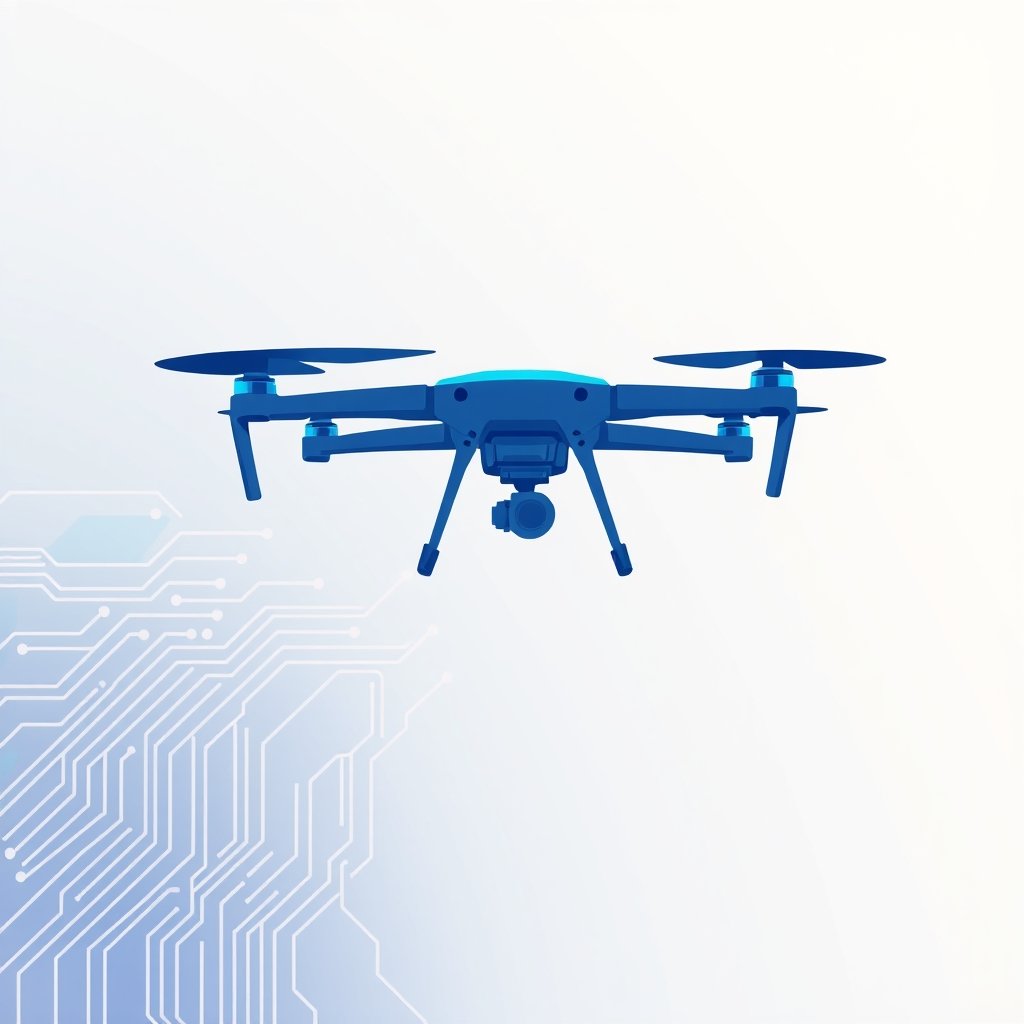
The drone industry has a noise problem, and quiet drone technology is its most practical fix. That’s the useful way to read the current hunt for “stealthier” drones: most of it isn’t military radar evasion. It’s acoustic engineering aimed at making delivery aircraft, camera drones, and future air taxis less irritating to the people underneath them. You don’t need to be a drone enthusiast to care. If a package drone ever hovers over your street, the first thing you’ll notice won’t be the app or the battery. It’ll be the sound.
What’s actually happening
Engineers are attacking the buzz from several directions at once. They’re trying larger, slower-spinning propellers, because high-rpm blades create that wasp-in-a-jar whine. They’re testing ducted fans and shrouds that can muffle noise, though those add weight and drag. They’re isolating motors and frames to cut vibration. They’re also using flight software to choose routes, altitudes, and speeds that make a drone less noticeable from the ground.
None of this makes a drone invisible. The goal is a smaller annoyance footprint: less piercing, less carrying, less likely to wake a baby or ruin a patio dinner. That’s the honest promise of quiet drone technology. It’s a game of inches, not a switch that turns a helicopter into a whisper.
Why quiet drone technology matters to you
Noise isn’t just a cosmetic complaint. It’s a permission problem. Cities, suburbs, and homeowners decide whether drone routes are tolerable, and sound is often the first objection. A quieter aircraft can mean more approvals for delivery, inspection, and emergency response. A loud one can stall an entire pilot program before the economics are even tested.
Your wallet is involved too. Delivery drones promise speed, but they only make sense if they can fly close enough to customers without triggering complaints. Noise complaints create limits: fewer hours, higher altitudes, longer detours. Those limits cost money. Quiet drone technology is one way companies try to buy back access.
Privacy sits right next to sound. A drone you can hear is a drone you know is there. A quieter model can feel more intrusive because it can approach without warning. That’s the uncomfortable trade-off. The same engineering that makes drones better neighbors can make surveillance feel creepier. You don’t have to pick a side to see the tension.
The physics won’t cooperate fully
Here’s the part that gets oversold. You can’t delete sound from a spinning rotor. You can shift it to a lower frequency, spread it across a wider area, or muffle the sharpest tones. But the aircraft still displaces air, and the motors still work. “Silent drone” claims deserve skepticism unless they come with measured data from realistic conditions.
There are trade-offs everywhere. Bigger, slower props are often more efficient and quieter, but they make the drone larger and harder to fold into a backpack. Ducting can reduce blade noise but adds weight, which can force a bigger motor, which can create new noise. A route that sounds better from one rooftop may sound worse from another. Acoustic stealth is local, not universal.
That’s why the search for stealthier drones is really a system problem. Prop design, motor control, materials, flight paths, and payload all matter. A brilliant propeller on a clumsy airframe won’t save you.
How we got here
Drones spent years as hobby gear and military tools before moving into commercial work. Early consumer drones were loud enough to announce themselves from blocks away. As delivery companies and urban air mobility startups began pitching routine flights over people, noise moved from nuisance to barrier. Regulators and residents started asking a simple question: what will this sound like at 7 a.m. on a Sunday?
The industry’s answer has been incremental. Better propellers, smarter flight controllers, and quieter electric powertrains have helped. So have operational tricks: fly higher, avoid dense residential blocks, batch deliveries, and use corridors where noise is less disruptive. The next phase is likely to be about standards. Once cities can measure drone noise in a consistent way, they can set limits. Then quiet drone technology becomes a competitive advantage, not just a marketing line.
What’s impressive, what’s overhyped
The impressive part is how much acoustic progress can come from small adjustments. A few decibels can change whether a drone reads as background hum or public enemy. Software that smooths motor speeds and avoids sudden pitch changes can make a machine feel less aggressive. That’s real engineering, and it matters.
The overhyped part is the word “stealth.” In consumer and commercial drones, stealth usually means “less annoying,” not “undetectable.” Military stealth drones are a different conversation with different trade-offs. Blurring the two creates bad expectations. You’ll still hear these aircraft. The question is whether you’ll hear them and shrug, or hear them and reach for a complaint form.
What to watch next
Watch for real-world noise data, not demo videos. A drone that’s quiet in a lab can sound different in a canyon of apartment buildings. Watch local rules too. Noise limits will shape where delivery drones and air taxis can operate, and those limits will vary by city. And watch the privacy debate. If drones get quiet enough, the argument over sound may fade and the argument over cameras, sensors, and data will get louder.
For ordinary readers, the takeaway is simple: quieter drones are coming, but they won’t arrive as magic. They’ll arrive as compromises you can measure. The buzz will change. It probably won’t vanish.
Key Takeaways
- Quiet drone technology is mostly about reducing noise, not making aircraft truly undetectable.
- Sound is a permission issue: noise complaints can slow delivery, inspection, and air-taxi plans.
- Engineering trade-offs matter; bigger props, ducting, and flight paths all have costs.
- Quieter drones could make services more acceptable, but may sharpen privacy concerns.
- Watch for real-world noise standards and measured tests, not “silent drone” marketing.
Frequently Asked Questions
Are quiet drones actually silent? No. Rotors and motors still make sound. The realistic goal is to make drones less piercing and less annoying, not completely silent.
Why are drones so loud? Many drones use fast-spinning propellers and compact electric motors. That combination creates a high-pitched buzz that travels well, especially in quiet neighborhoods.
Will quieter drones mean more surveillance? Possibly. A drone that’s harder to hear is also harder to notice. That’s why noise rules and privacy rules will likely need to evolve together.
How did this story feel?
Be the first to react
Written by
TechPulse Team
The TechPulse editorial team publishes clear, practical technology guides. Every article is original and written to be understood — not just skimmed.
Comments (0)
No comments yet — start the conversation!
Keep reading

Vector Mapping Technology in Heart Rhythm Care
SBL electrophysiologists are using vector mapping technology to guide heart rhythm procedures. Here's what the tool does—and what patients should watch.
Cardiac Vector Mapping Reaches Rural Heart Patients
Vector mapping is moving into community electrophysiology labs. Here's what the technology actually does for arrhythmia patients — and what it can't do.

Stealth Drones: Why the Buzz Is Quieting Down
The hunt for stealthier drones is really a hunt for quieter rotors — with real trade-offs for delivery, privacy, and how much you notice the sky above you.