
How Regex Works Under the Hood
TL;DR: A regex engine turns your pattern into an internal program, then runs that program against the text. Backtracking engines like Python’s
reand JavaScript’s V8 engine are flexible but can blow up on certain patterns; linear-time engines like Go’sregexpand RE2 trade features for predictable speed.
You ship a regex that matches a date in milliseconds. Then a 40 KB log line hits it and the request hangs. Same pattern, different input. That’s the moment regex stops feeling like magic and starts looking like an engine.
That’s the short version of how regex works: syntax in, program out, matcher running.
How Regex Works: Parse, Compile, Match
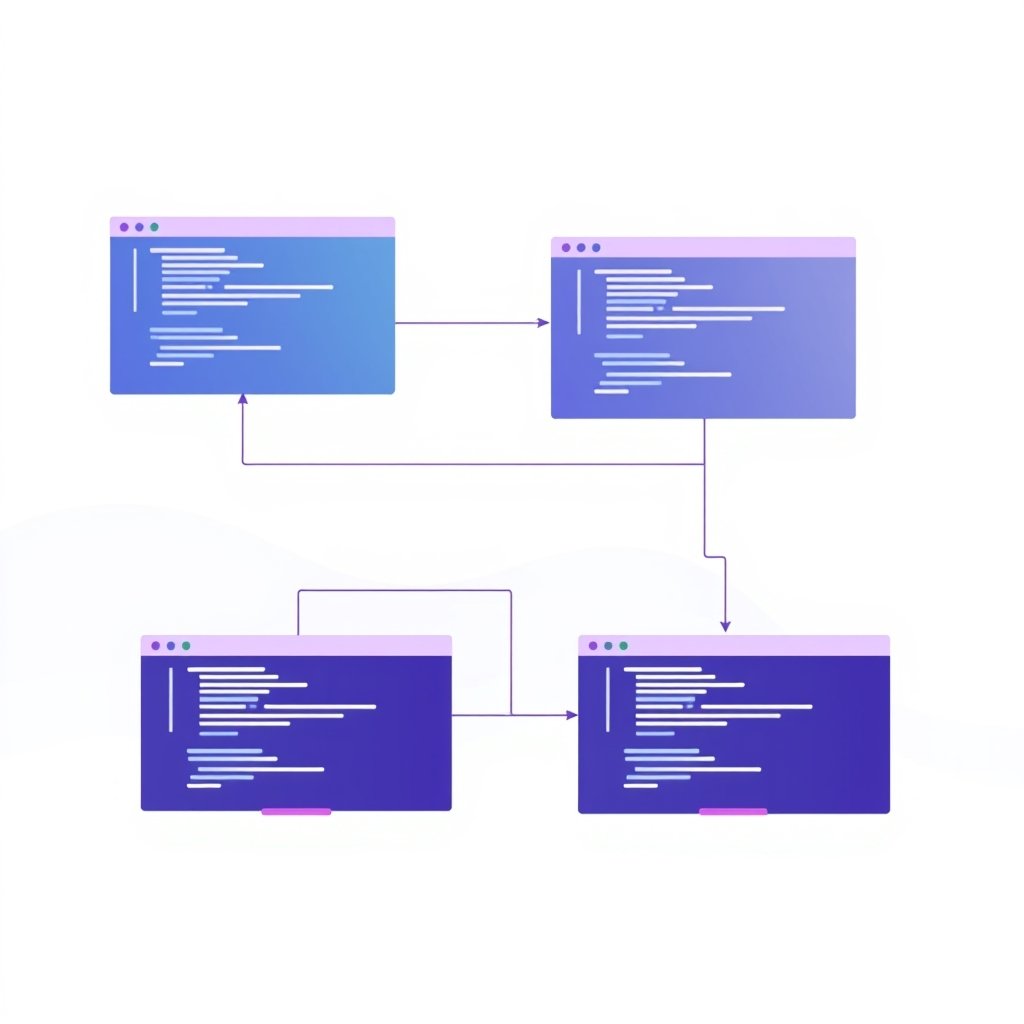
A regular expression engine doesn’t scan your pattern character by character against the text. First, a parser turns r"\d{4}-\d{2}-\d{2}" into a syntax tree. Then a compiler emits instructions — bytecode for backtracking engines, or a state machine for automata-based engines. The matcher runs that compiled form.
Python’s re module compiles patterns too, which is why re.compile() matters in hot loops:
import re
pattern = re.compile(r"\d{4}-\d{2}-\d{2}")
pattern.search("deploy 2025-03-14 failed")
The engine walks the input, checks the first instruction, advances or backtracks, and repeats. Simple patterns become simple programs. Nested quantifiers become branchy ones.
Regex Backtracking: Fast Until It Isn’t
Backtracking engines try one path, then rewind and try another. That’s how they support backreferences and lookaround. It’s also how catastrophic backtracking happens. The classic culprit is (a+)+$ against a long string of as followed by !. The engine explores an exponential number of ways to split those as before failing.
My rule: if a regex runs on user input, cap it. Use timeouts where your language supports them, or switch to RE2, Go’s regexp, or Rust’s regex crate for linear-time matching. You lose backreferences and some lookaround. You gain predictable regex performance.
Real-World Regex Examples
Log parsing is the sweet spot. For an Nginx access line, keep the pattern anchored and narrow:
r'"GET (?P<path>\S+) HTTP/[^"]+" (?P<status>\d{3})'
For dates, \d{4}-\d{2}-\d{2} is clear and cheap. For email validation, don’t use a monster regex. Check a basic shape like ^[^@\s]+@[^@\s]+\.[^@\s]+$, then verify by sending mail. I’d rather use a boring pattern and one confirmation email than debug a 200-character RFC-ish regex.
Regex Performance: Three Habits That Save You
- Anchor patterns with
^and$when you mean “whole string.” - Prefer specific character classes —
\d{3}beats.*every time. - Test against ugly input: long lines, repeated delimiters, and near-misses.
The regular expression engine is doing exactly what you told it. The trick is telling it less.
Key Takeaways
- A regex is parsed, compiled, and then matched — it’s a tiny program.
- Backtracking engines are flexible but can hit catastrophic backtracking.
- RE2, Go
regexp, and Rustregexfavor linear-time matching over exotic features. - Anchor, narrow, and test with hostile input before shipping.
Frequently Asked Questions
How does regex work under the hood?
It compiles your pattern into instructions or a state machine, then runs that against the input using backtracking or automata-based matching.
What is catastrophic backtracking in regex?
It’s when nested quantifiers force the engine to try exponential combinations, making a short pattern hang on the wrong string.
Is Python regex slow?
Python’s re is fine for normal tasks, but it backtracks. Compile hot patterns and avoid nested quantifiers on untrusted input.
How did this story feel?
Be the first to react
Written by
TechPulse Team
The TechPulse editorial team publishes clear, practical technology guides. Every article is original and written to be understood — not just skimmed.
Comments (0)
No comments yet — start the conversation!
Keep reading

OOP vs Functional Programming: When Each Wins
Two developers, one ticket: one builds a class, the other writes three functions. How to choose between OOP and functional thinking — without the dogma.

Technical Debt: What It Is and How It Grows
Technical debt is future work you owe for a faster choice today. Here's how it builds up, when it's smart, and how to pay it down.
Unit Testing Benefits: Save Your Weekend Plans
A small set of focused unit tests can keep a Friday refactor from becoming a Saturday fire drill. Here's how busy developers make that happen.