
Satellite Messaging on Phones: What You Need to Know
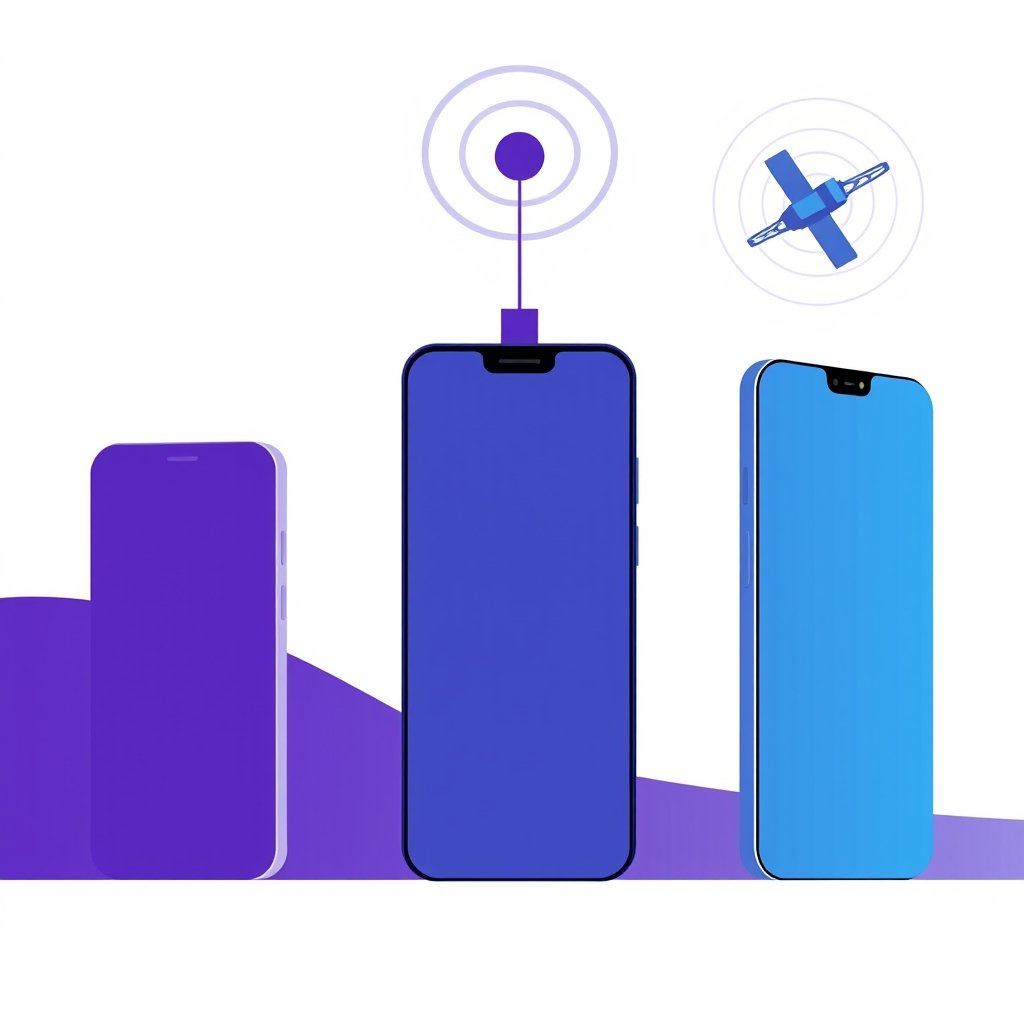
Imagine you're hiking in the mountains, your phone shows no signal, and suddenly you realize you've twisted your ankle. That's the moment you'd give anything for a way to call for help. Well, here's the thing — that scenario might not be as hopeless as it used to be.
Your phone could soon be able to send messages via satellite, even when you're off the grid. It's happening quietly, without much fanfare, but it's already changing how we think about staying connected.
How Satellite Messaging Actually Works
Satellite messaging on phones taps into orbiting satellites rather than cell towers. When you're out of range of terrestrial networks, your phone can connect directly to a satellite in space. The catch? You need a clear view of the sky, and the feature usually requires a compatible device and sometimes a subscription.
Apple led the charge with Emergency SOS via satellite on the iPhone 14 series, launched in late 2022. Since then, Android manufacturers like Samsung and Motorola have been working on similar capabilities, though availability varies by carrier and region.
Who Has It Right Now
As of early 2024, here's what's available:
- iPhone 14 and newer: Free for two years, then $1/month after
- Samsung Galaxy S24 Ultra: Works with carriers like AT&T and Verizon
- Motorola Defy: Rugged phone with satellite messaging built-in
- Garmin inReach Mini 2: Dedicated device, requires subscription
The technology isn't perfect yet. Messages can take several minutes to send, and you need to point your phone at the right part of the sky. But for emergencies, it's better than nothing.
When It Actually Makes Sense
This isn't replacing your daily texting. Think of it as insurance — useful for hiking, camping, or traveling somewhere remote. If you spend time in areas with spotty coverage, it's worth considering.
But don't expect to stream Netflix via satellite anytime soon. Current implementations are designed for short, critical messages, not heavy data usage.
Key Takeaways
• Satellite messaging works through orbiting satellites, not cell towers • Apple offers it free for two years on iPhone 14+, then $1/month • Android options are emerging but vary by carrier and device • You need a clear view of the sky for it to function properly • Best suited for emergencies, not everyday communication • Dedicated devices like Garmin still offer more robust features
Frequently Asked Questions
Do all phones have satellite messaging?
No, only select models like the iPhone 14 and newer, Samsung Galaxy S24 Ultra, and dedicated devices like the Motorola Defy currently support it. Most phones still rely solely on cellular networks.
Is satellite messaging free on iPhone?
Apple includes it free for two years with iPhone 14 and newer models. After that, it costs $1 per month. Other manufacturers may charge different rates or require carrier subscriptions.
Does satellite messaging work indoors?
Unfortunately, no. You need a clear view of the sky for your phone to connect to satellites. Basements, dense forests, or urban canyons with tall buildings can block the signal.
How did this story feel?
Be the first to react
Written by
TechPulse Team
The TechPulse editorial team publishes clear, practical technology guides. Every article is original and written to be understood — not just skimmed.
Comments (0)
No comments yet — start the conversation!
Keep reading
Fast Charging Battery Wear in 2026: What Changed This Year
The old rules about fast charging killing your battery are mostly dead. Here's what changed in 2026 — and what still actually matters.
Repairability Score: What It Is and Why It Matters
Your phone breaks and the repair quote shocks you. A repairability score could have warned you. Learn what these ratings mean before you buy.

iPhone vs Android Updates: The Honest Comparison
iPhone vs Android updates compared honestly — support lengths, patch track records, and what experts actually check before buying a phone.