
Smartphone Shipments Plunge 20% While Apple Holds Steady

The global smartphone shipments market took a sharp turn in the third quarter of 2026, with total units falling by about twenty percent compared to the same period last year. Apple, however, managed to keep its own sales relatively stable, a divergence that has already sparked debate among analysts and consumers. In plain terms, fewer phones are being bought worldwide, yet Apple's share of that shrinking pie held its ground.
What the smartphone shipments data reveals
Industry trackers report that the decline was broad‑based, touching most major brands outside of Apple. Many Android‑powered devices saw double‑digit drops, while Apple's iPhone sales slipped only slightly, if at all. That resilience isn't a fluke, according to several supply‑chain sources; it reflects a mix of brand loyalty, a strong upgrade cycle in key markets, and the fact that Apple's price points tend to attract buyers who are less sensitive to economic downturns.
- Volume vs. value: Even as unit numbers fell, the average selling price across the sector edged upward, meaning the revenue picture isn't as bleak as the raw count suggests.
- Regional shifts: Emerging markets drove much of the shortfall, while North America and parts of Europe remained relatively firm.
- Product cycles: The iPhone's annual refresh typically lands in September, and the 2026 model appears to have captured pent‑up demand that other manufacturers missed.
Why it actually matters to you
If you're in the market for a new phone, this dip could mean better deals in the short term. Retailers often clear inventory when shipments slow, so you might see discounts on older models or bundled accessories. On the flip side, a contracting market can slow software support and security updates, especially for lower‑end devices that manufacturers may abandon sooner.
Privacy is another angle. With fewer units sold, companies have less incentive to invest in new privacy features for the masses, potentially leaving average users with fewer protections. And if you rely on your phone for banking, navigation, or health tracking, a device that receives timely patches becomes more valuable, not less.
The bigger picture
The current slump isn't the first time the industry has contracted. After the pandemic‑fueled surge of 2020‑2021, shipments plateaued, then dipped in 2023 as consumers stretched the life of their existing handsets. What's different now is the speed of the drop; the twenty percent fall in a single quarter signals a sharper pullback than the gradual slowdown of previous years.
Comparing Apple to its rivals highlights a structural gap. Android manufacturers often compete on price and rapid iteration, which can lead to shorter device lifespans. Apple, by contrast, keeps a tighter ecosystem and longer software support, encouraging owners to hold onto phones for four years or more. That dynamic helps explain why Apple's numbers held steady while others tumbled.
What to watch next
Looking ahead, a few signals could indicate whether the downturn is temporary or a new normal. Watch for the next quarterly report from Samsung and Xiaomi; if their numbers continue to slide, the whole sector may be entering a prolonged correction. Also keep an eye on Apple's upcoming product event—rumors suggest a refreshed iPhone SE could target the mid‑range, a segment that has been hit hardest by the slowdown.
For you as a buyer, the practical takeaway is simple: if you need a phone now, the market offers more bargaining power. If you can wait, the next wave of releases may bring innovations that justify a higher price, especially in AI‑driven features that are still trickling out.
Key Takeaways
- Global smartphone shipments fell roughly twenty percent in Q3 2026, while Apple's sales stayed nearly flat.
- The drop is driven by weaker demand in emerging markets and a broader economic slowdown.
- Apple's resilience stems from brand loyalty, longer software support, and a higher average selling price.
- Consumers may find better deals in the short term, but could face slower software updates on cheaper devices.
- The industry's next moves will be revealed in upcoming earnings reports and Apple's fall product event.
Frequently Asked Questions
Why did smartphone shipments drop so sharply in Q3 2026?
The decline reflects a combination of economic headwinds, reduced consumer spending in emerging markets, and the natural lull after a strong upgrade cycle for several Android brands.
How is Apple managing to hold steady while others fall?
Apple benefits from a loyal customer base, longer device lifecycles, and a pricing strategy that appeals to buyers less affected by economic downturns, allowing it to maintain sales volume despite the overall market contraction.
Should I buy a new phone now or wait for the next release?
If you need a replacement soon, the current market offers more discounts and negotiation room. If you can wait a few months, upcoming models may bring meaningful improvements, especially in AI capabilities, that could justify a higher price.
How did this story feel?
Be the first to react
Written by
TechPulse Team
The TechPulse editorial team publishes clear, practical technology guides. Every article is original and written to be understood — not just skimmed.
Comments (0)
No comments yet — start the conversation!
Keep reading
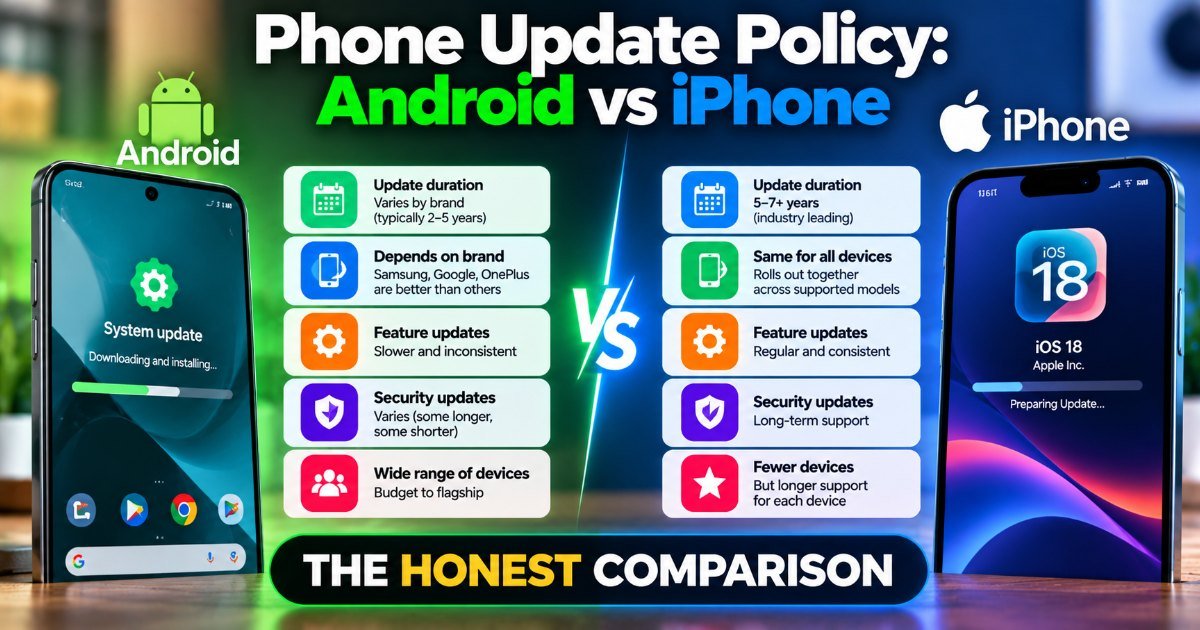
Phone Update Policy: Android vs iPhone — The Honest Comparison
How long does your phone actually get updates? Android vs iPhone compared honestly — update lengths, real-world testing, and what to expect before you buy.
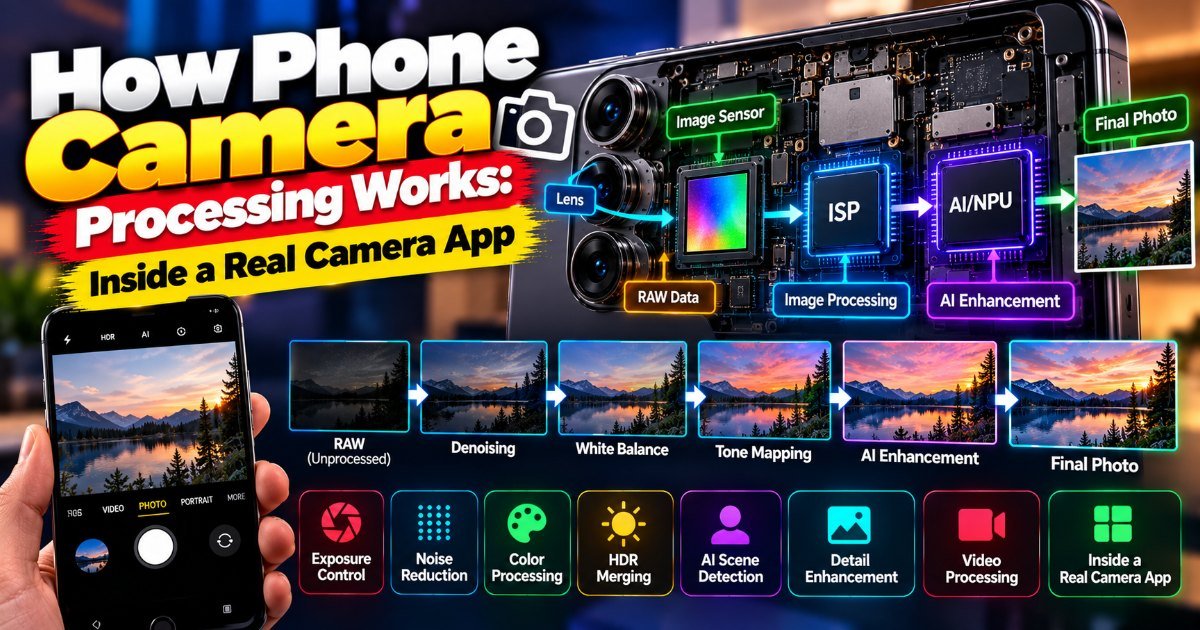
How Phone Camera Processing Works: Inside a Real Camera App
You're at a concert. The stage lights are a mess — deep blues, harsh reds, and the singer's face lost in shadow. You raise your phone, and the screen shows…
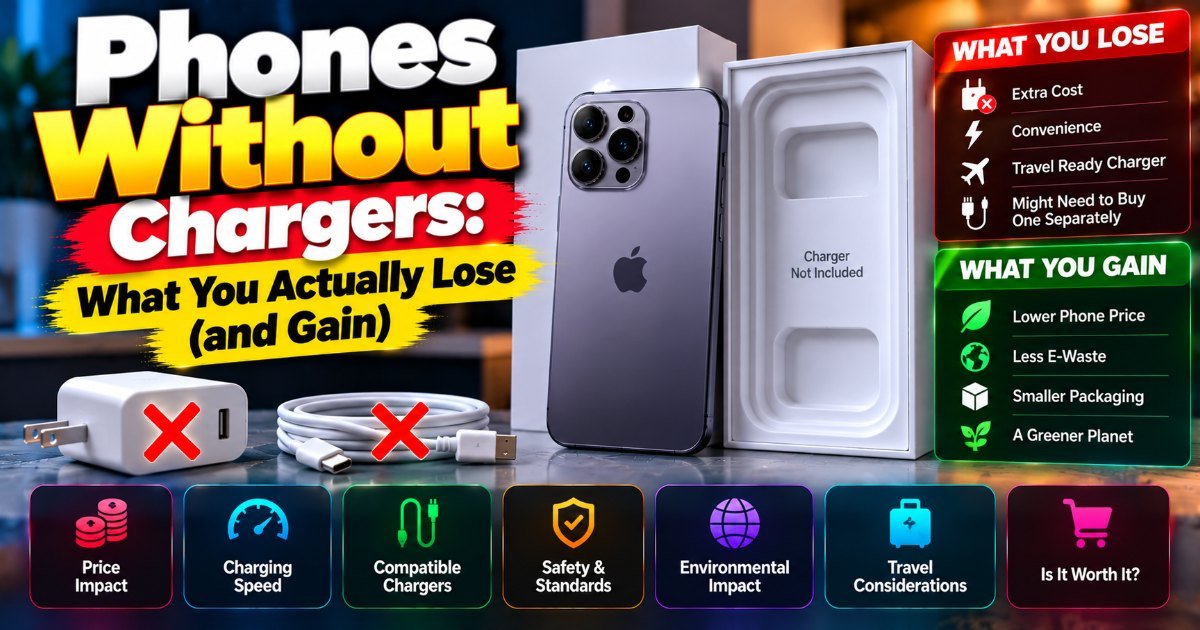
Phones Without Chargers: What You Actually Lose (and Gain)
You unbox a new phone, peel the plastic, and reach for the charger. It's not there. Again. This is the reality of phones without chargers in 2026 — it's been…