
Why Phones Stopped Shipping With Chargers — and What It Means for You
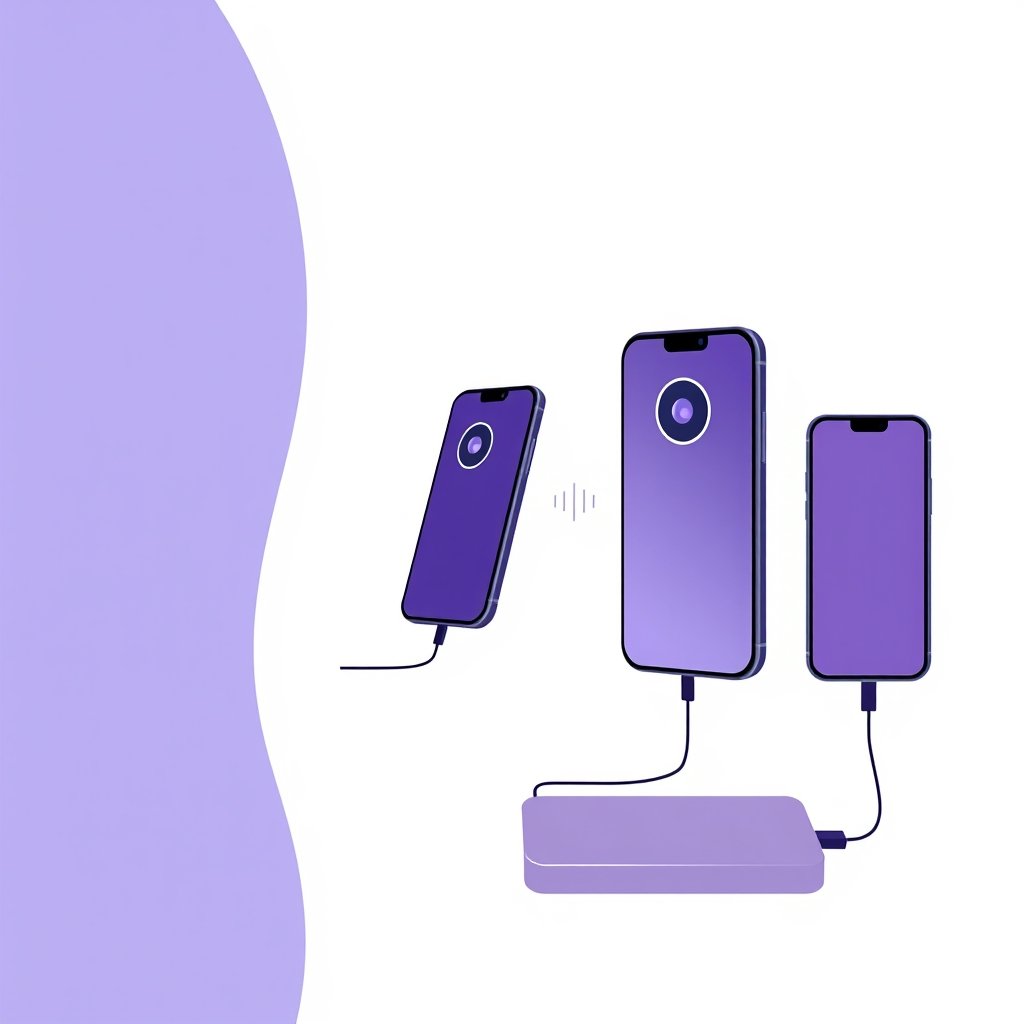
So your new phone arrived in a sleek little box. You opened it, felt the smooth edges, maybe even admired how thin and light it all felt. Then you reached for the charger. Nothing. Just a USB-C port and a whole lot of silence.
That moment is now so common it barely registers as a surprise anymore. But it's worth asking: how did we get here, and is this actually good for anyone?
The Short Answer: Money, Space, and E-Waste
The first wave of charger removal came around 2020. Samsung did it with the Galaxy S21 series. Apple followed with the iPhone 12. Motorola, OnePlus, and Xiaomi were already on board or quickly joined.
The official reason from most manufacturers was the same: it reduces the box size, cuts shipping emissions, and helps the planet. And honestly, that part isn't entirely spin. Smaller boxes mean more phones fit in a shipping container, which lowers carbon per device. Apple claimed removing the charger from the iPhone 12 alone saved over 2 million metric tons of CO₂.
But let's be straight with you — there's a financial incentive too. Shipping a 5W charger costs money. Packaging it costs more. And when you buy a $1,000 phone, the charger feels like a rounding error on the manufacturer's side. They're not losing sleep over it.
"But I Need a Charger" — the Real Consumer Problem
Here's where it gets messy. If you already own USB-C chargers (and most of us do), you're fine. But if you're upgrading from an older phone, or buying a phone for someone who doesn't have a charger lying around, you're now spending an extra $20 to $50 on a wall brick that used to be included.
Apple's 20W charger runs $19. Samsung's 25W charger is $29.99. A good third-party GaN charger with multiple ports? $35 to $50. That's real money, and nobody advertised that cost when the announcement went up.
The Environmental Argument Holds Up — Mostly
This is the part most people get wrong, so let me be clear: the e-waste argument is legitimate, but it's narrower than it sounds.
If you already own a charger, not shipping a new one genuinely reduces waste. No argument there. But if you end up buying a new charger anyway — which most first-time upgraders do — you've just shifted the environmental cost from the factory to your shopping cart. The charger still exists. It just wasn't packed in the box.
The better argument is about redundant chargers. The UN estimates there are billions of unused charg sitting in drawers worldwide. Removing them from new phones reduces the total number being manufactured, even if the demand doesn't disappear entirely.
What the Manufacturers Won't Tell You
There's a quieter reason that almost nobody talks about: standardization pressure.
When Apple dropped the headphone jack in 2016, it looked like a bold move. In hindsight, it pushed the entire industry toward wireless earbuds — a higher-margin accessory ecosystem. Removing the charger follows a similar playbook. Every person who needs to buy a charger is a person who might also buy a case, a screen protector, or a pair of wireless earbuds.
I'm not saying it's a conspiracy. But I am saying that "environmental responsibility" and "encouraging accessory sales" aren't mutually exclusive motives.
Should You Buy Your Own Charger Now?
Yes — and buy a good one. Here's what I recommend:
- Get a GaN charger. They're smaller, cooler-running, and often charge faster than the old silicon bricks. A 30–45W dual-port model covers your phone and laptop.
- Don't buy the first cheap one you find. A $10 no-name charger from an online marketplace can damage your battery over time. Look for USB-IF certification or at least a reputable brand like Anker, Ugreen, or Spigen.
- One good charger can serve multiple devices. If you have a tablet, earbuds, and a laptop that all use USB-C, a single multi-port GaN brick replaces three wall adapters.
Key Takeaways
- Most major brands removed bundled chargers starting around 2020, led by Apple and Samsung.
- The environmental benefits are real but partial — they only help if you already own a compatible charger.
- Expect to spend $20–50 extra when buying a new phone without a charger included.
- A quality third-party GaN charger (30–45W, multi-port) is the smartest long-term investment.
- The shift also nudges consumers toward higher-margin accessories, which is worth keeping in mind.
Frequently Asked Questions
Is it illegal for phone companies to not include a charger? No, it's completely legal. There's no federal or international law requiring manufacturers to ship chargers with phones. Some countries have discussed regulations, but nothing has passed. It's a voluntary industry choice, not a legal mandate.
Which phones still come with a charger? As of 2026, most budget and mid-range Android phones from brands like Motorola, Nokia, and some Xiaomi models still include a charger in the box. Apple, Samsung, and Google have all removed them from their flagships. Always check the box contents before buying.
Does not shipping a charger actually help the environment? It helps, but only if you already own a compatible charger. If you have to buy a new one, the net environmental benefit is small or even negative, since manufacturing and shipping a separate charger creates its own footprint. The bigger win is reducing the total number of chargers produced over time.
How did this story feel?
Be the first to react
Written by
TechPulse Team
The TechPulse editorial team publishes clear, practical technology guides. Every article is original and written to be understood — not just skimmed.
Comments (0)
No comments yet — start the conversation!
Keep reading
Fast Charging Battery Wear in 2026: What Changed This Year
The old rules about fast charging killing your battery are mostly dead. Here's what changed in 2026 — and what still actually matters.
Repairability Score: What It Is and Why It Matters
Your phone breaks and the repair quote shocks you. A repairability score could have warned you. Learn what these ratings mean before you buy.
iPhone vs Android Updates: The Honest Comparison
iPhone vs Android updates compared honestly — support lengths, patch track records, and what experts actually check before buying a phone.