
Cool New Gadgets: How to Read a Roundup
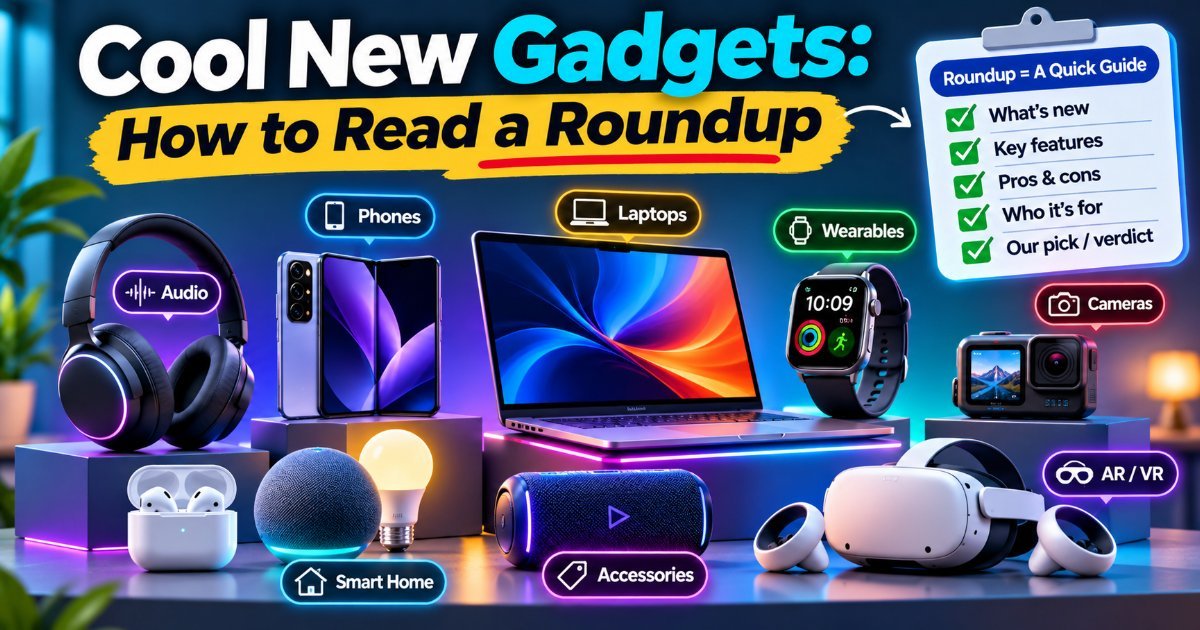
You've seen the headline. "17 Cool New Gadgets to Keep on Your Radar" — a classic Gear Patrol format. It's the kind of list that makes your thumb twitch toward the click. And why not? New gear is fun. But before you start mentally adding things to a wishlist, it's worth asking what a roundup of cool new gadgets actually tells you — and what it leaves out. The answer might save you money, time, and a bit of buyer's remorse.
What's actually happening here
A publication assembled a list of 17 newly released or upcoming gadgets and framed them as worth watching. That's it. No single device is breaking news. The story is the format itself: the curated gadget roundup. These lists have become a staple of tech media because they serve two masters — reader curiosity and affiliate revenue. That doesn't make them evil. It just means you should read them with your eyes open.
The summary snippet we have is just the headline. No items, no prices, no context. So rather than pretend to know which 17 gadgets made the cut, let's talk about the broader pattern. Roundups like this tend to favor novelty over practicality. A gadget that looks cool on a spec sheet or in a glossy photo might be a paperweight six months later. The real question is whether any of those 17 items solve a problem you actually have.
Why "cool new gadgets" lists can mislead you
Here's the thing: "cool" is a marketing word dressed up as journalism. It signals excitement without promising substance. When a list promises cool new gadgets, it's often prioritizing design quirks, niche features, or viral potential over boring but important stuff like software support, repairability, or whether the thing will still work in two years.
You care about your money. You care about your privacy. You care about your daily habits — the phone you unlock 200 times a day, the earbuds you wear on commutes, the smart home gear that listens when it shouldn't. A roundup that doesn't address those concerns is entertainment, not guidance. That's fine for a five-minute browse, but don't mistake it for purchasing advice.
How we got here: the gadget list industrial complex
Gadget roundups aren't new. Magazines ran "cool products" features decades ago. But the cycle has accelerated. Crowdfunding platforms turned prototype vaporware into headlines. Social media made unboxing videos a genre. CES and other trade shows now generate a flood of "best of" lists before the show floor even opens. The result is a constant churn of new gadgets, many of which are minor variations on things you already own.
The honest comparison is this: a list of 17 cool new gadgets today is less a signal of innovation and more a reflection of how fast companies can push out iterative products. That doesn't mean nothing good is out there. It means you need a filter.
What's impressive, what's overhyped, what to watch
Impressive stuff tends to be invisible in headlines: better battery chemistry, longer software update commitments, repairable designs, and sensors that actually work. These don't photograph well, but they matter.
Overhyped stuff usually announces itself loudly: foldable screens that crease, "AI-powered" everything, subscription-locked features, and gadgets that require an app for basic functions. If a product's main selling point is a buzzword, wait for the teardown.
What to watch next isn't a specific device — it's a shift. Regulators in Europe and the US are pushing for longer software support and right-to-repair. That will change which gadgets are worth keeping on your radar far more than any single launch. Also watch for the backlash against always-connected devices. People are getting tired of smart everything.
How to evaluate any gadget on a list like this
Before you get excited about a cool new gadget, run it through these questions:
- Does it replace something you already own, or add another thing to charge? A gadget that solves a problem is worth it. A gadget that creates a new chore (another cable, another app) is a tax on your attention.
- What's the software support window? A cheap tablet with one year of updates is worse value than a pricier one with five.
- Can you repair it? Check if the battery is replaceable, if parts are available, and if the company publishes repair guides. If not, assume a short lifespan.
- What do independent reviews say after two weeks? First-impression reviews are useless. Look for long-term tests.
- Is the price honest? A $199 gadget that requires a $10/month subscription isn't $199.
You don't need to be a cynic. You just need to be a little patient. The best gadget is the one you still use a year from now, not the one that looked cool in a list.
What to watch next
Ignore the hype cycle for a second. The real developments worth tracking are boring but powerful: longer warranty periods, better repairability scores, and companies finally committing to seven years of security patches. Those changes will make every future roundup of cool new gadgets more trustworthy. Until then, treat the list as a starting point for your own research, not a shopping cart.
Key Takeaways
- A list of "17 Cool New Gadgets" is a curated roundup, not a buying guide — it's built for clicks as much as for your benefit.
- "Cool" is subjective. Look for practical specs like battery life, software support, and repairability instead.
- Roundups often favor novelty over longevity. Ask whether a gadget replaces something you own or just adds clutter.
- The gadget market is flooded with iterative products. Patience pays off; wait for long-term reviews.
- Regulatory pressure for longer software support will matter more than any single launch this year.
- Use the roundup as a discovery tool, then verify with independent, hands-on reviews before spending money.
Frequently Asked Questions
What are the best cool new gadgets right now? There's no single answer because "best" depends on what you need. A gadget that's great for a commuter might be useless for a homebody. Use roundups to spot trends, then read reviews for your specific use case.
Are gadget roundups reliable? They can be useful for discovery, but many rely on affiliate links, which means the publication earns money when you buy. That doesn't make them dishonest, but it's a reason to cross-check with independent reviews that don't have a financial stake.
How do I know if a new gadget is worth buying? Ask three questions: Does it solve a real problem for you? Will it get software updates for at least three years? Can you repair it if something breaks? If the answer to any is no, wait.
How did this story feel?
Be the first to react
Written by
TechPulse Team
The TechPulse editorial team publishes clear, practical technology guides. Every article is original and written to be understood — not just skimmed.
Comments (0)
No comments yet — start the conversation!
Keep reading

Pakistan Drone Warfare: Army's Tech Confidence Explained
Pakistan's DG ISPR says the army is ready for drone warfare. Here's what the claim covers — and the counter-drone details nobody mentioned.

Cyril Hilsum, Flat-Panel Display Pioneer, Dies at 101
Cyril Hilsum, the British physicist who spent decades pushing flat-panel displays when CRTs ruled, has died at 101. His work is in every screen you own.
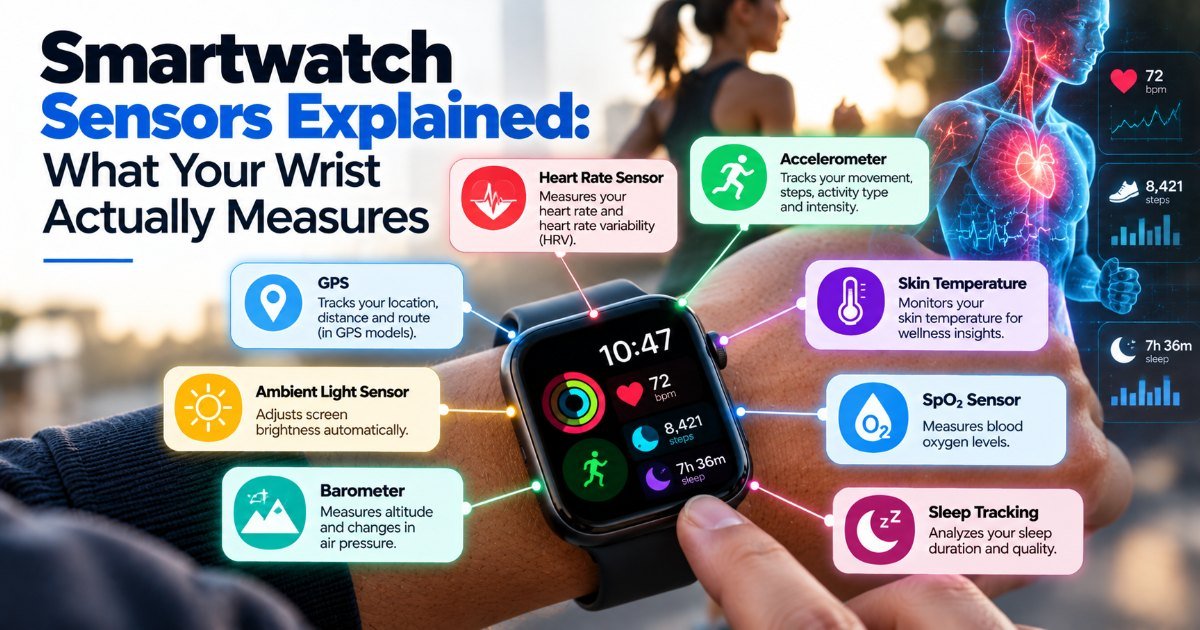
Smartwatch Sensors Explained: What Your Wrist Actually Measures
A sensor-by-sensor breakdown of what's actually in your smartwatch — heart rate, SpO2, ECG, GPS — with honest pros, cons, and what to care about.